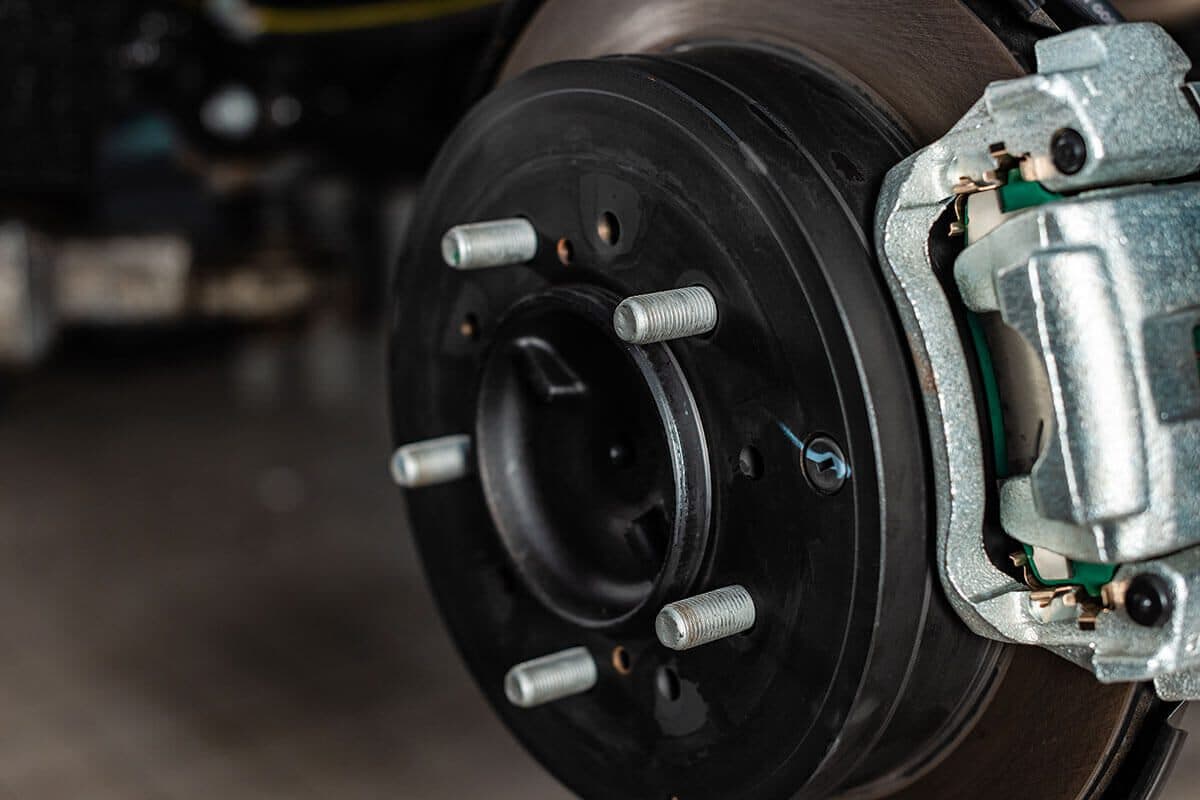
There is no improvising with brakes. Thanks to their performance and weight, a BMW or a MINI puts a lot of stress on pads and discs: spotting the signs of wear in time means you can act at a low cost and avoid risks.
Signs you should not underestimate
- Squealing or whistling when braking: it can mean pads at their limit or glazed surfaces.
- Vibrations through the pedal or steering wheel: they are often due to warped or uneven discs.
- A longer or spongy pedal: it can be caused by air or moisture in the brake fluid.
- A wear message on the dashboard: the built-in sensors indicate that the pads are close to the limit.
- Pulling to one side when braking: it points to uneven wear or a caliper that is not working well.
Brake fluid: a forgotten component
Brake fluid absorbs moisture over time, which lowers its boiling point and reduces effectiveness during repeated or prolonged braking. The manufacturer recommends changing it on average every two years, regardless of the kilometres driven.
After the replacement
After brake work on a BMW, the wear indicator must be reset and, with an electric parking brake, the correct reset procedure must be carried out. These are steps that a specialist workshop knows and that avoid error messages and operating problems.
- brakes
- safety
- brake pads